


Our heritage
Discover the site



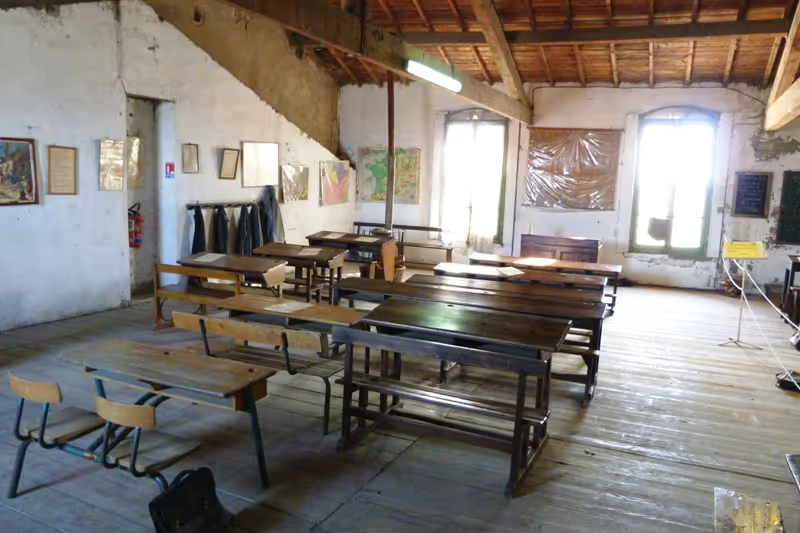
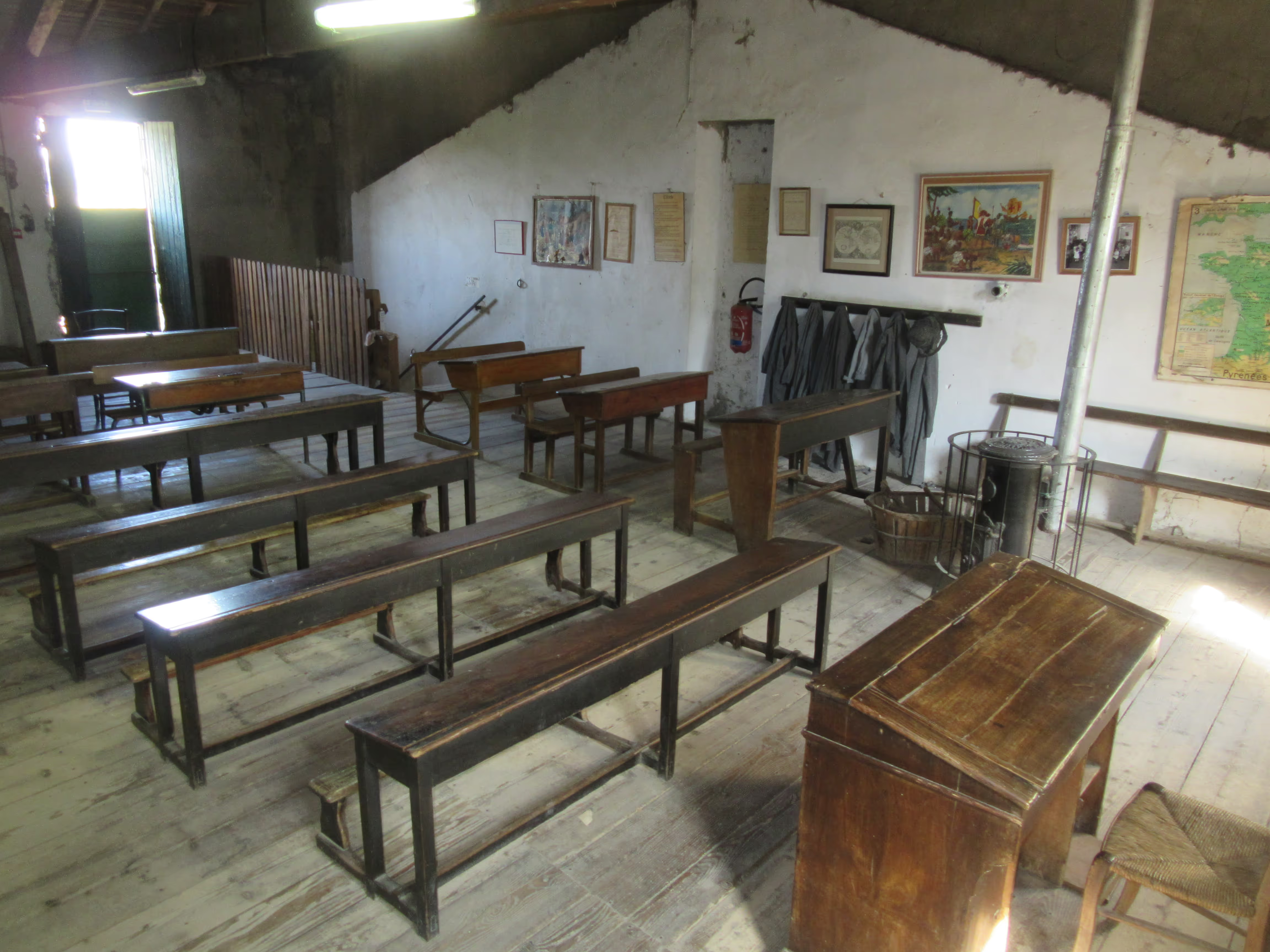
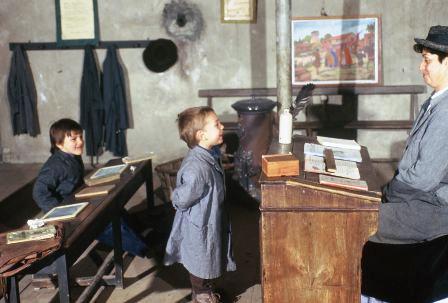
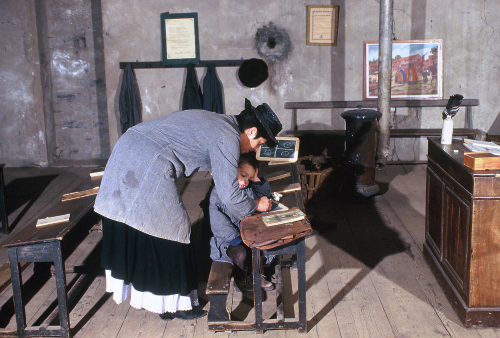
The country school brought together all grade levels and welcomed the children of farmers and breeders living on the Beaucaire plain. It also adapted to the rhythm of the seasons—haymaking, harvesting, and grape picking—since the older children helped their parents. It was another era…
With its large living room adorned with a big fireplace, the long table often welcomed a large family, and everyone would gather around the hearth in winter to spend the evening by candlelight before going to join their large bed upstairs, warmed by the “monk.” The pantry was filled with jars of homemade preserves, and the cupboards held beautiful large white linen sheets.

Unique in the region and built between 1850 and 1860, this long corridor of 110m in length allowed access to the upper floor during the harvest and to empty the load into the vats from above.
It was also very useful during the multiple floods of the Rhone to get animals and equipment out of the water.
It was built at the same time as the pumping station opposite the farmhouse, where a chimney of more than 18m in height stood at the time.
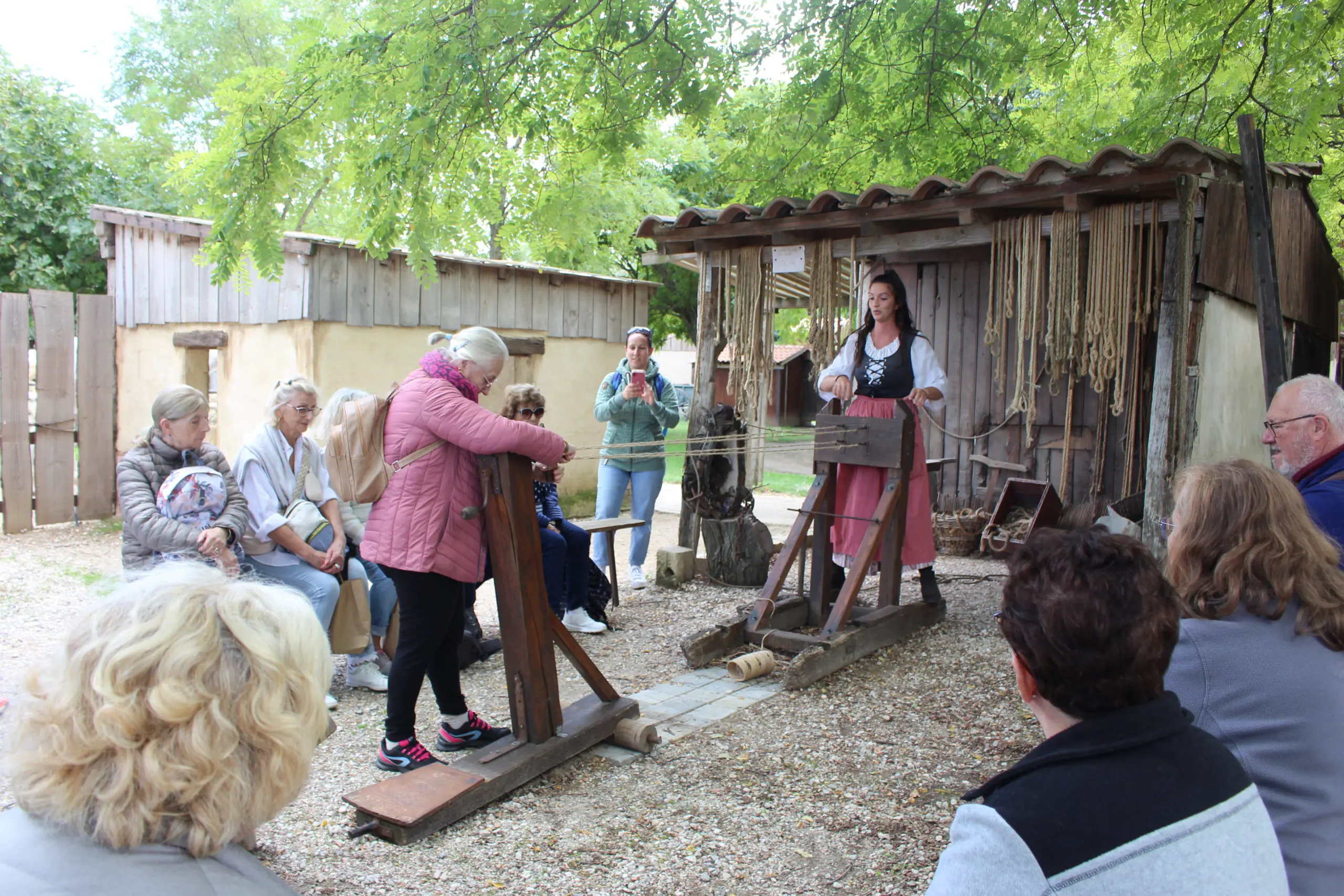
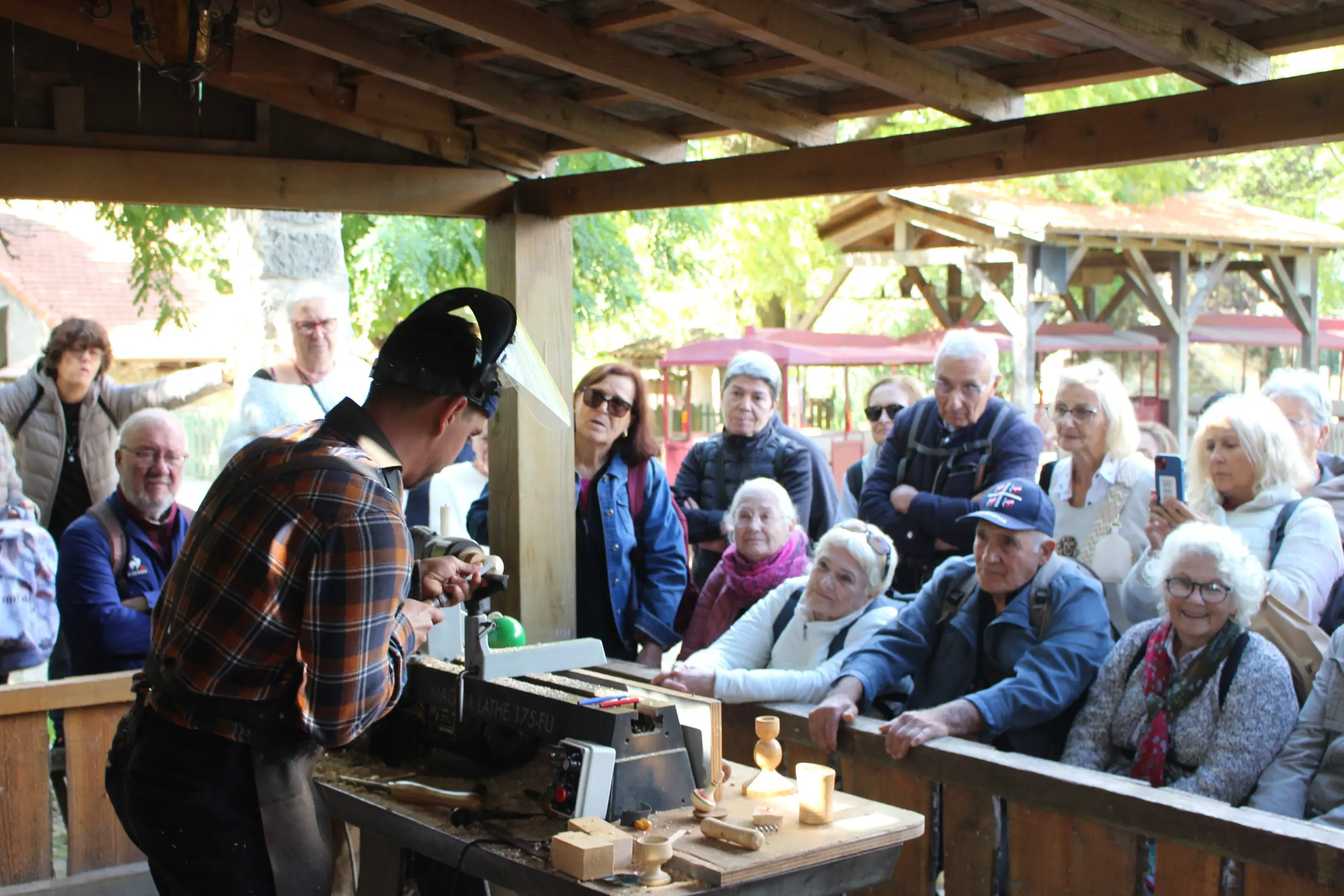
Find the main shops in this street with the grocer's shop, the clog maker, the shoemaker, the ironmonger, the shoemaker, the carpenter... entirely reconstituted.
From Brabant to 302 Vierzon, in the countryside, modernism has upset habits.
In Végère in 1930, more than 35 hectares of vines were cultivated, compared to 90 hectares today.
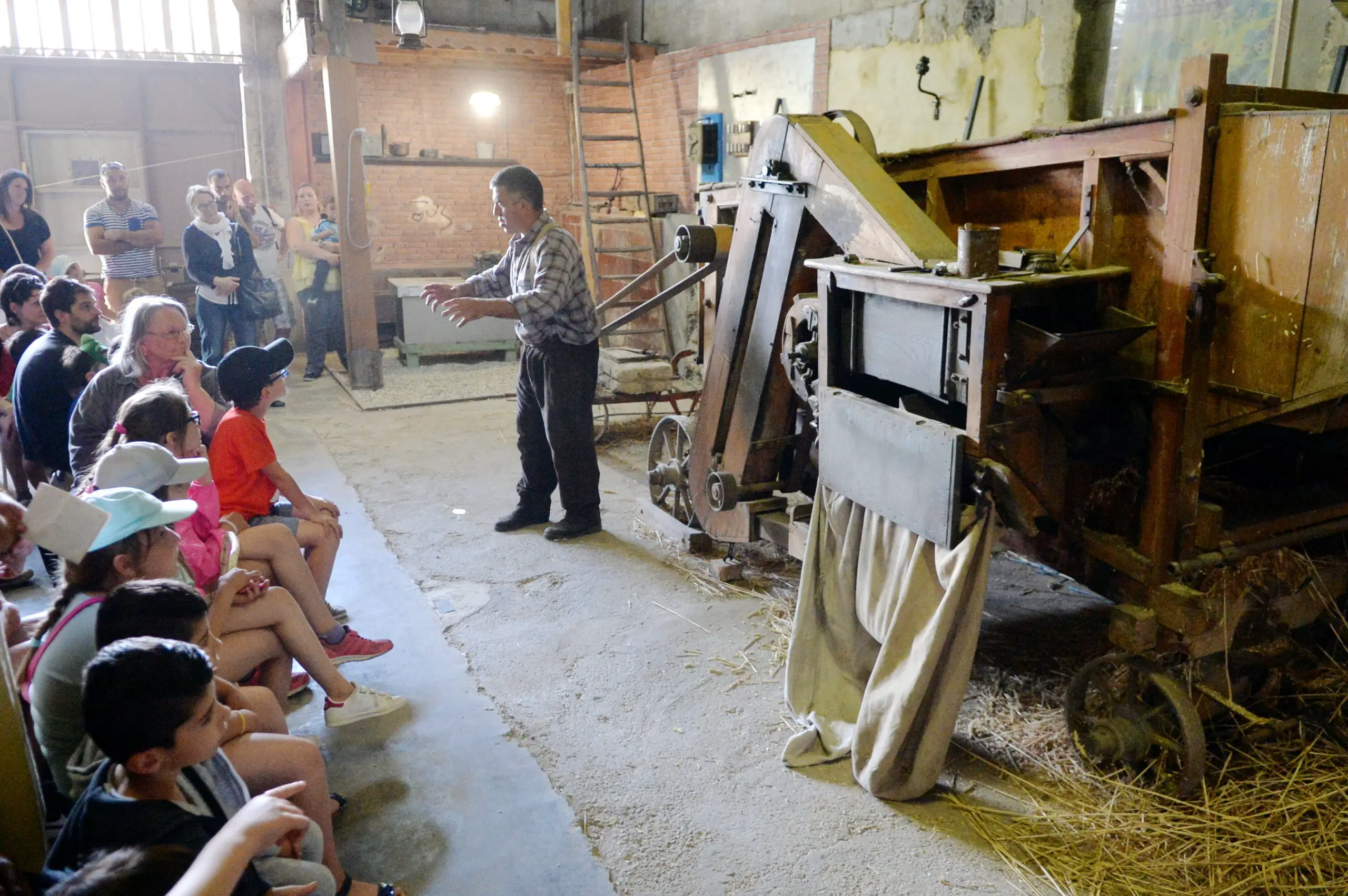
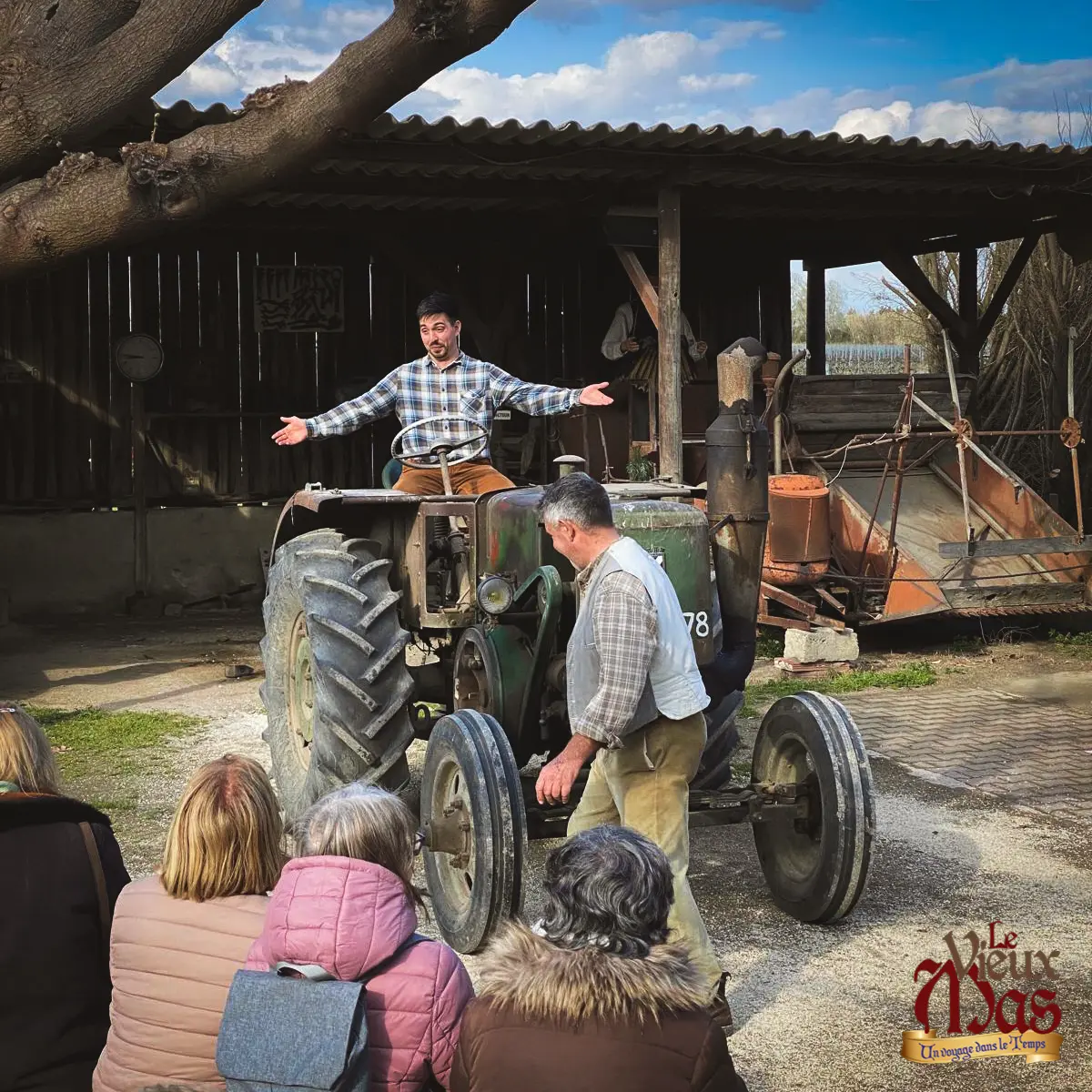
There was no shortage of equipment at the time, ploughs, Canadian harrows, mule-riding sulphate machines and Vierzon tractors are the memory of our countryside.