

Discover the trades of the last century
View all the craftsmen




Discover trades from the last century along the street of old professions, with life-size workshops of the saddler, cobbler, grocer, saddler, hardware merchant, the oil press…
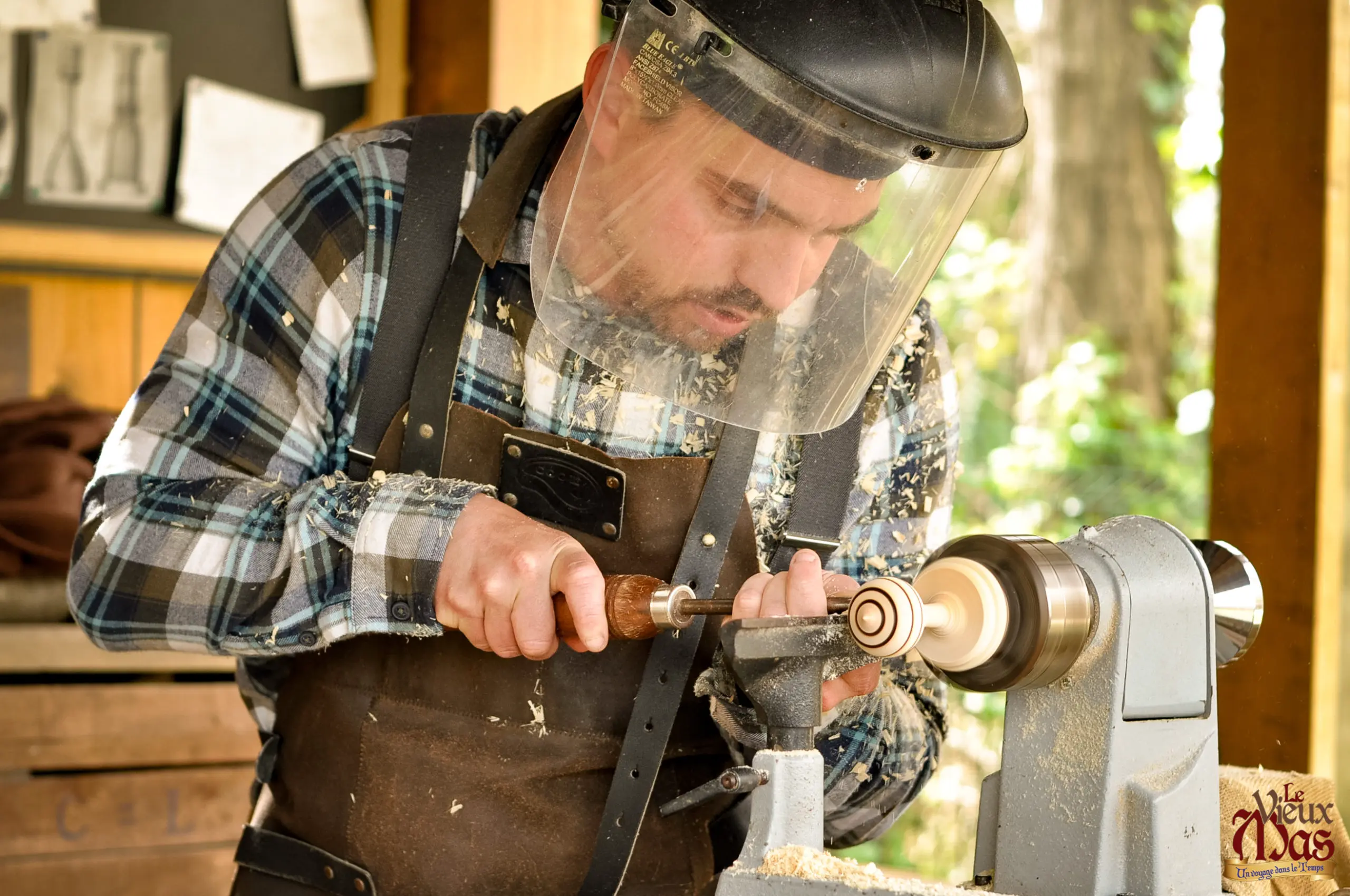
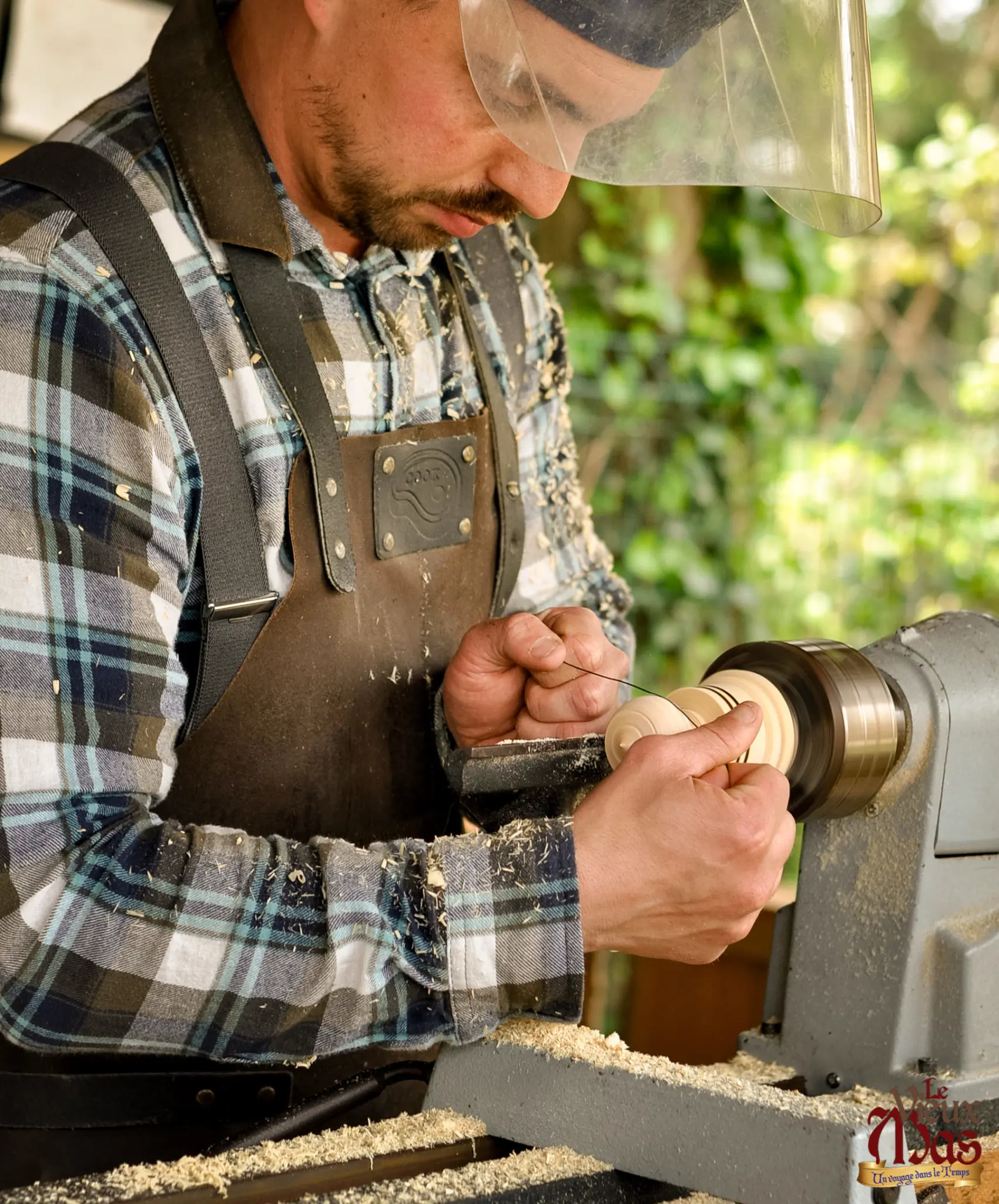
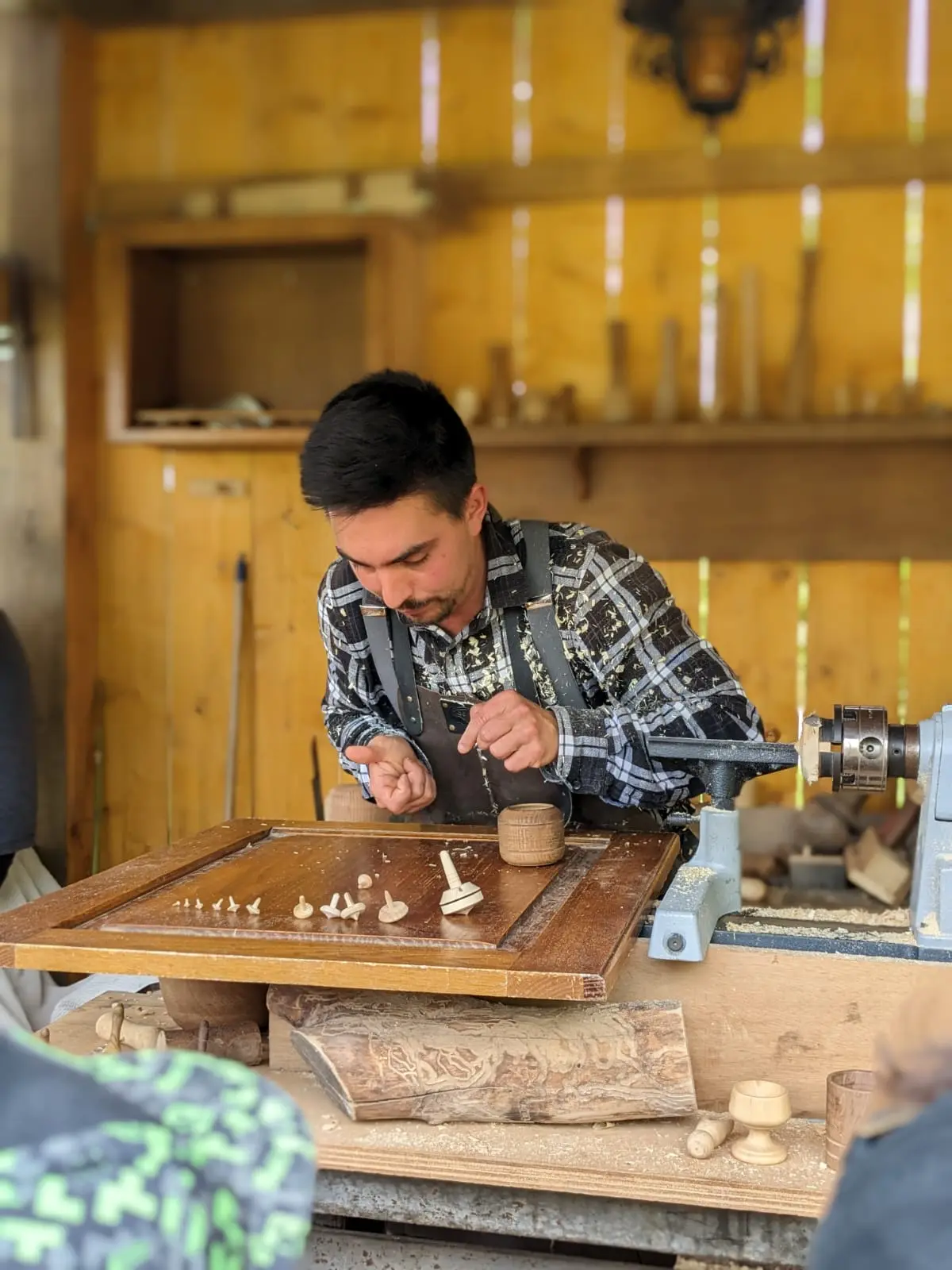
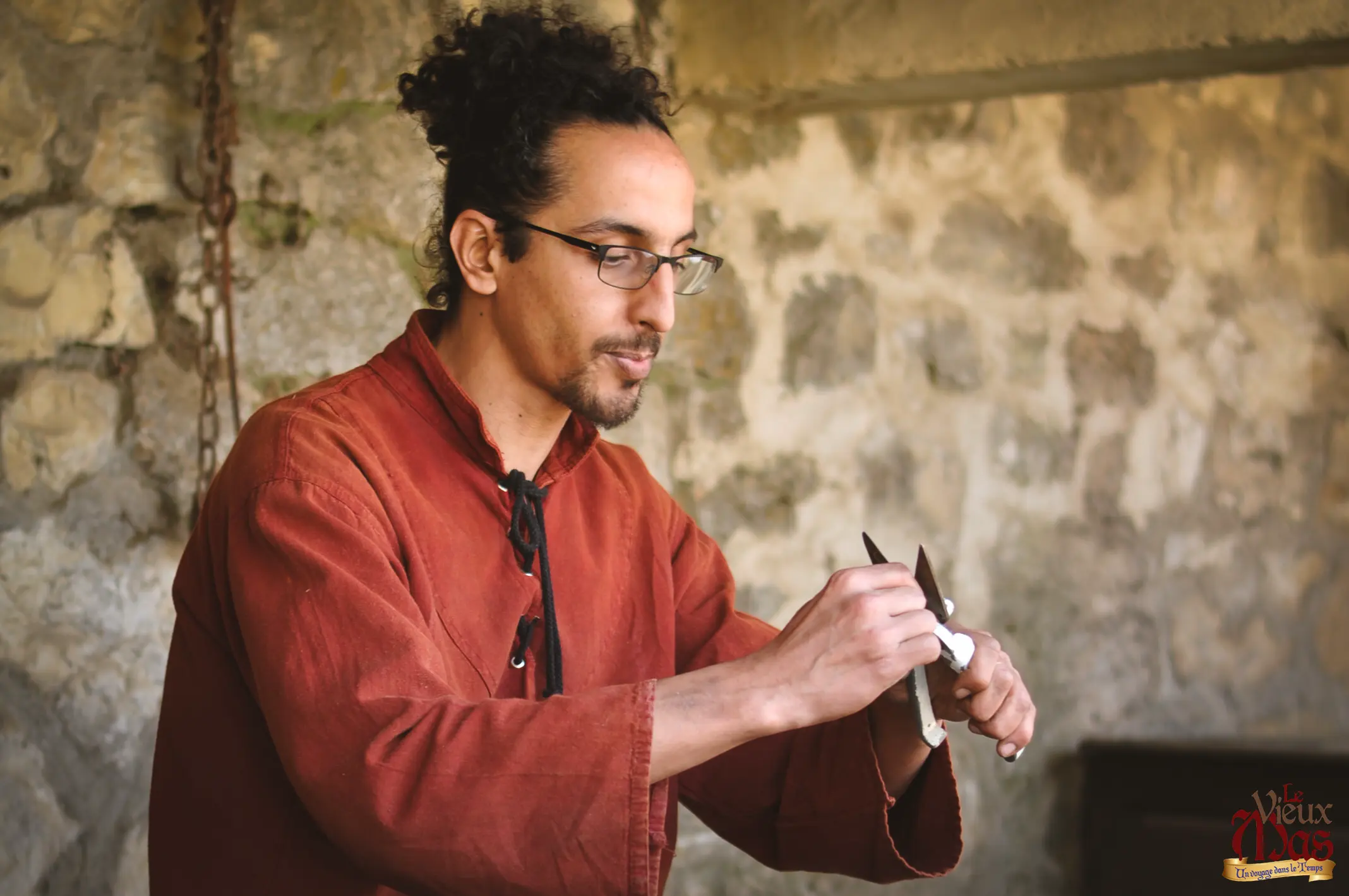
Some come back to life, and around a corner you may meet the metal caster, wood turner, coin maker, rope maker, or blacksmith. True enthusiasts, they are eager to pass on their know-how and passion, showing you the ancestral skills exactly as they were practiced in 1900.
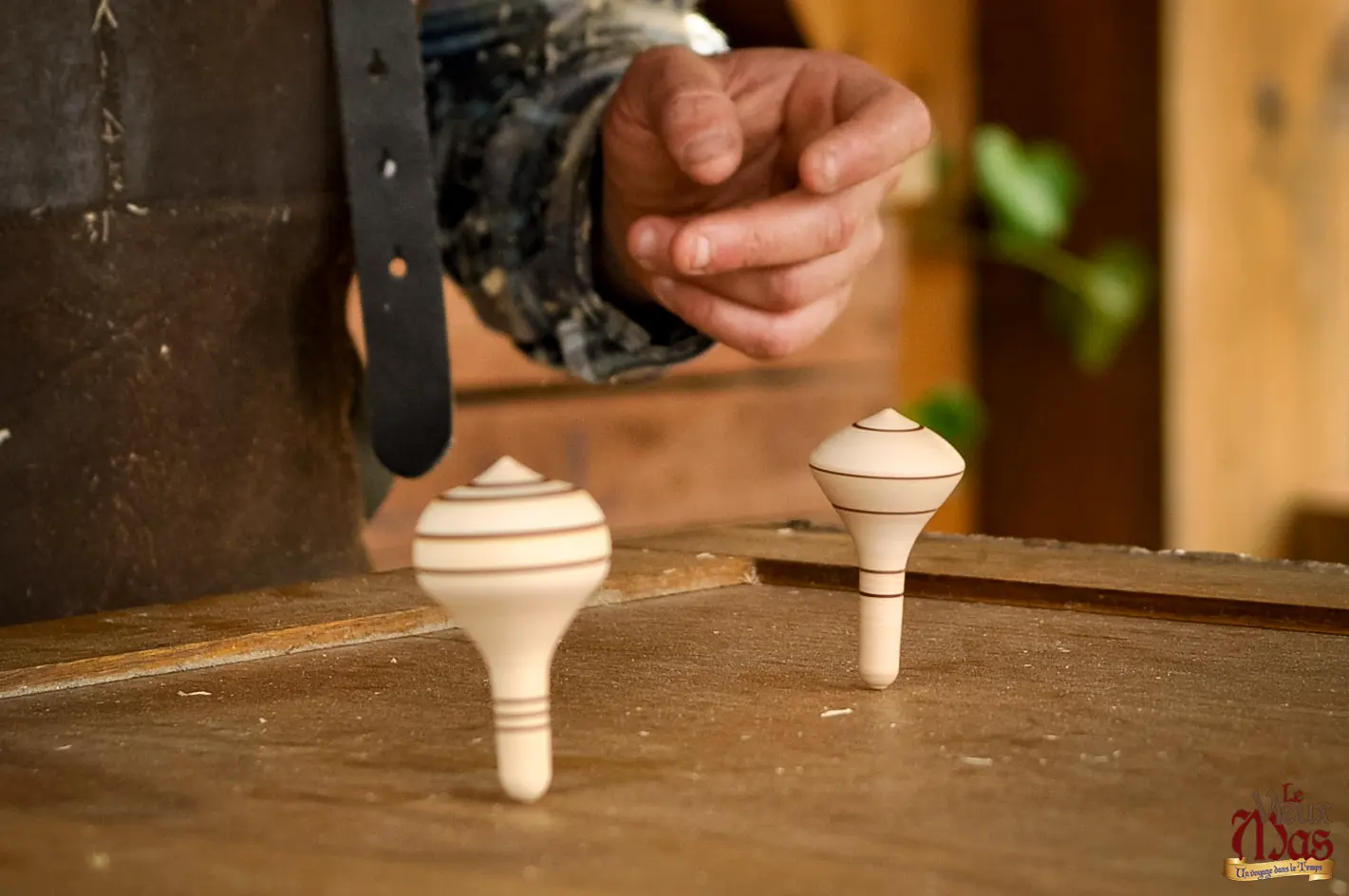
With precise gestures, under his knives, gouges, chisels and scrapers, the wood comes to life and is transformed into a top for the delight of children.
Plates, glasses and cutlery were once turned by his hands and sold in the countryside by peddlers......



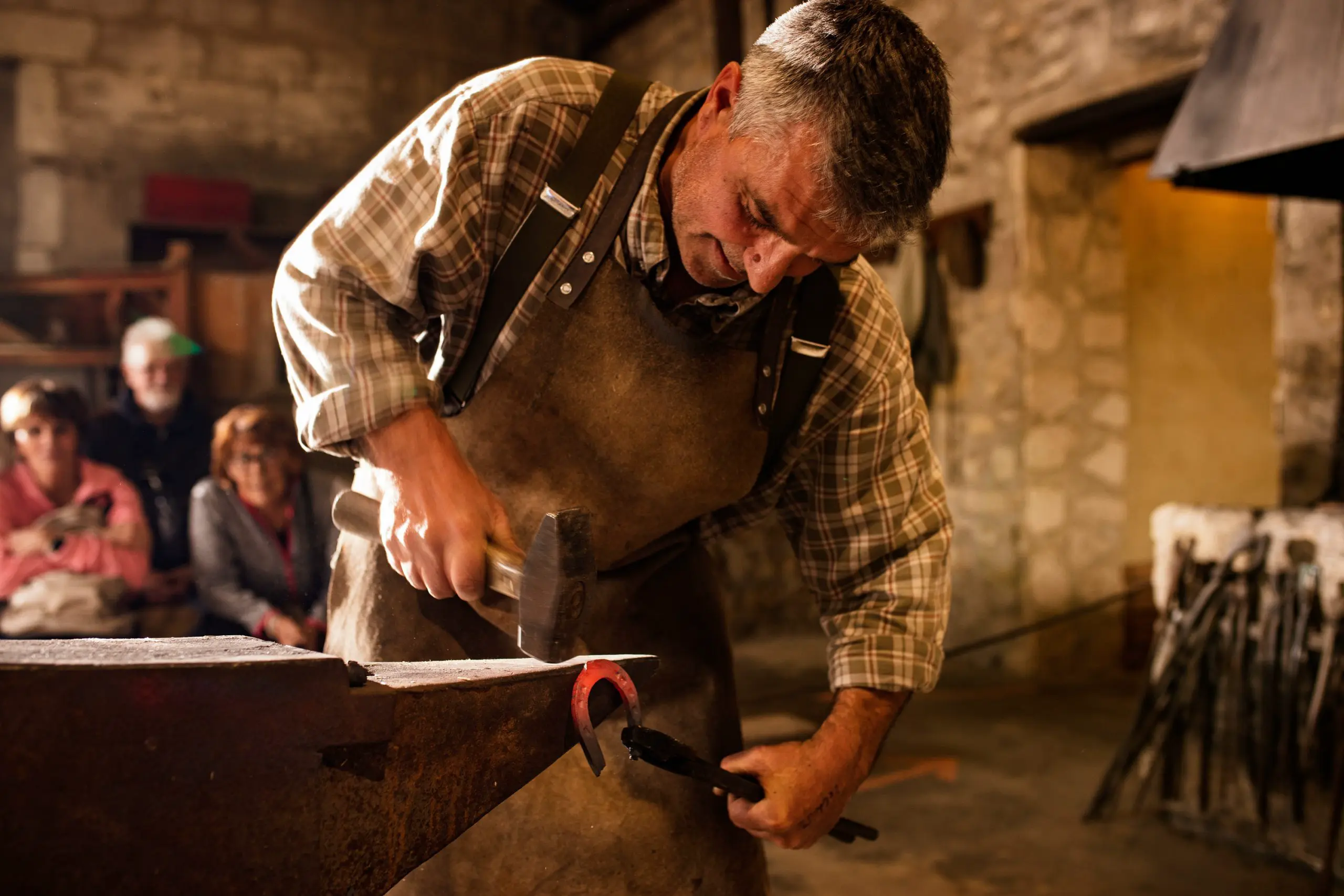
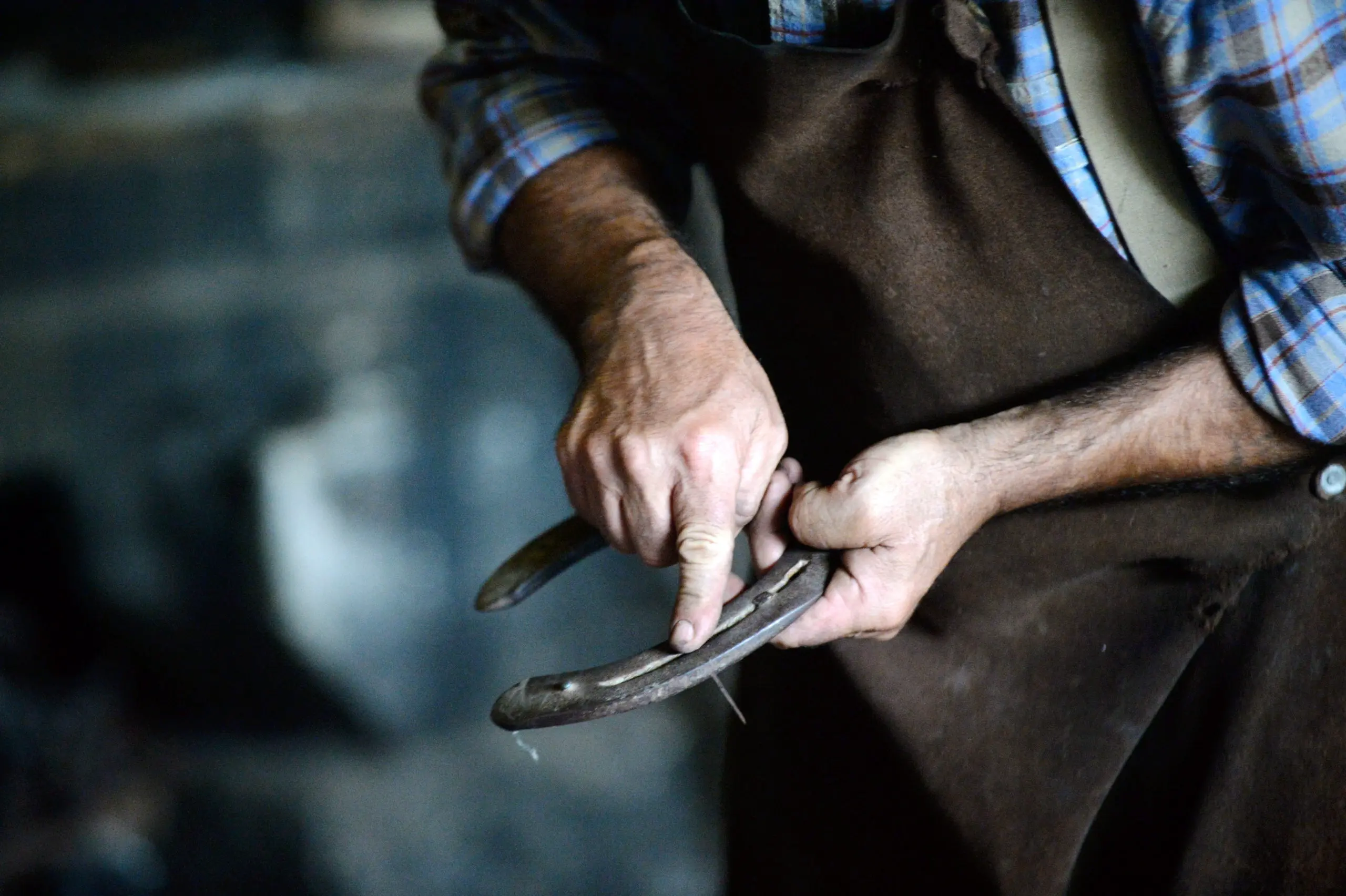
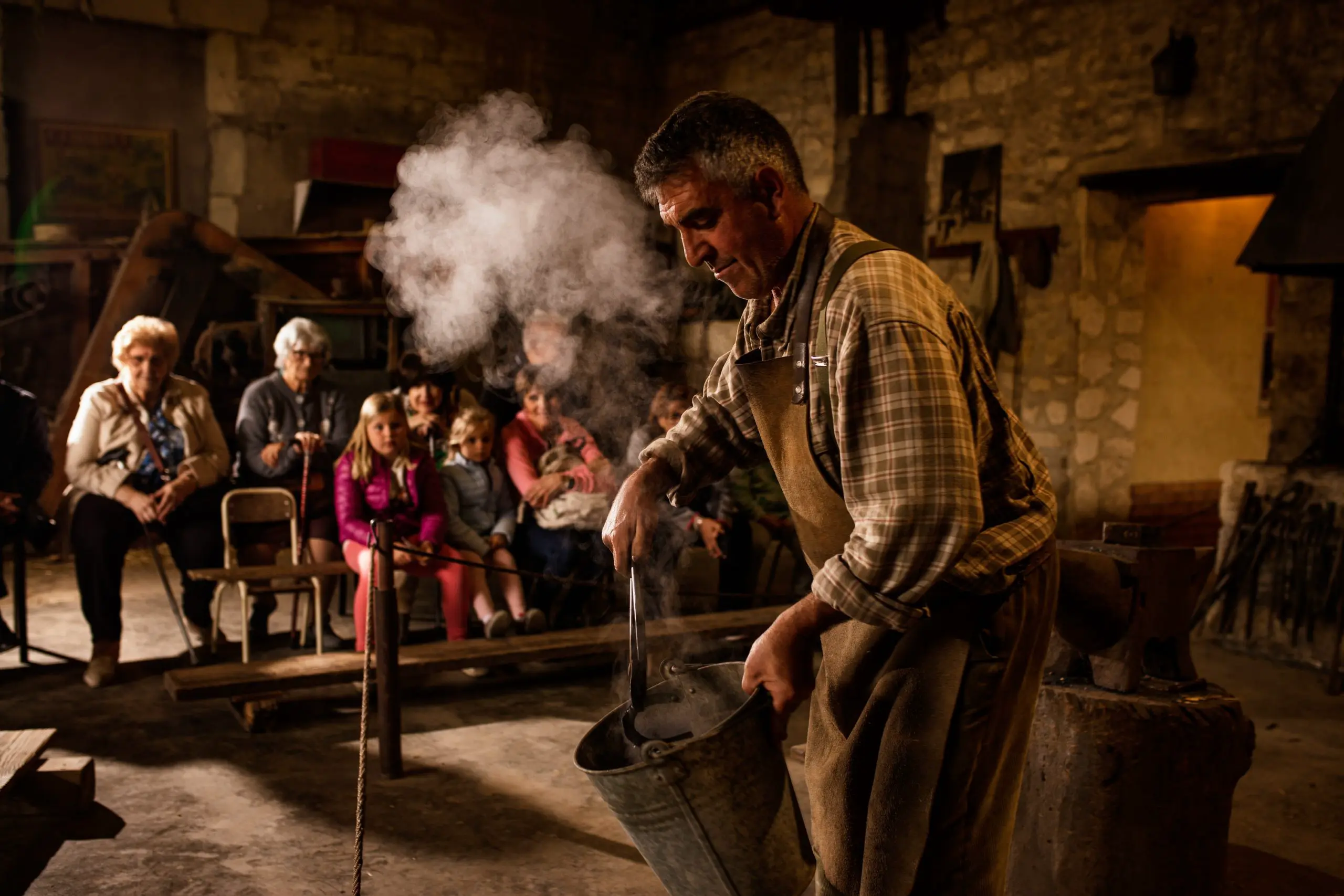
He was the soul of a village, considered to be the master of fire
In his slightly dark workshop, with its peculiar smell, the iron is transformed by the hammer on the anvil.
Thanks to his multiple talents he was also a blacksmith, he prepared wheel rings for the wheelwright or rings for the coopers and repaired ploughshares and ploughs for the farmers...20 min
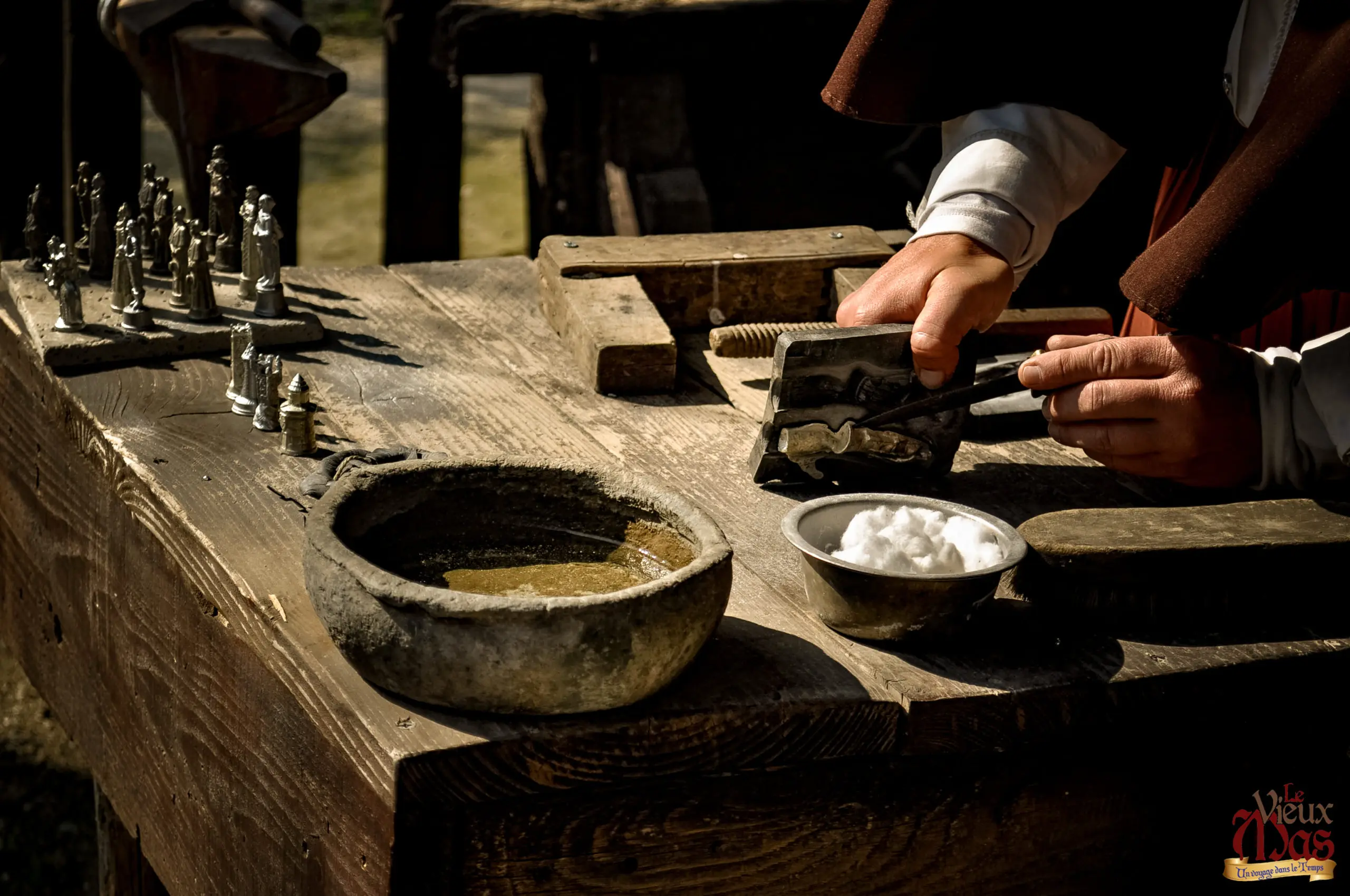
Foundry has been known since ancient times and is one of the earliest human crafts, dating back to at least 3000 BC.
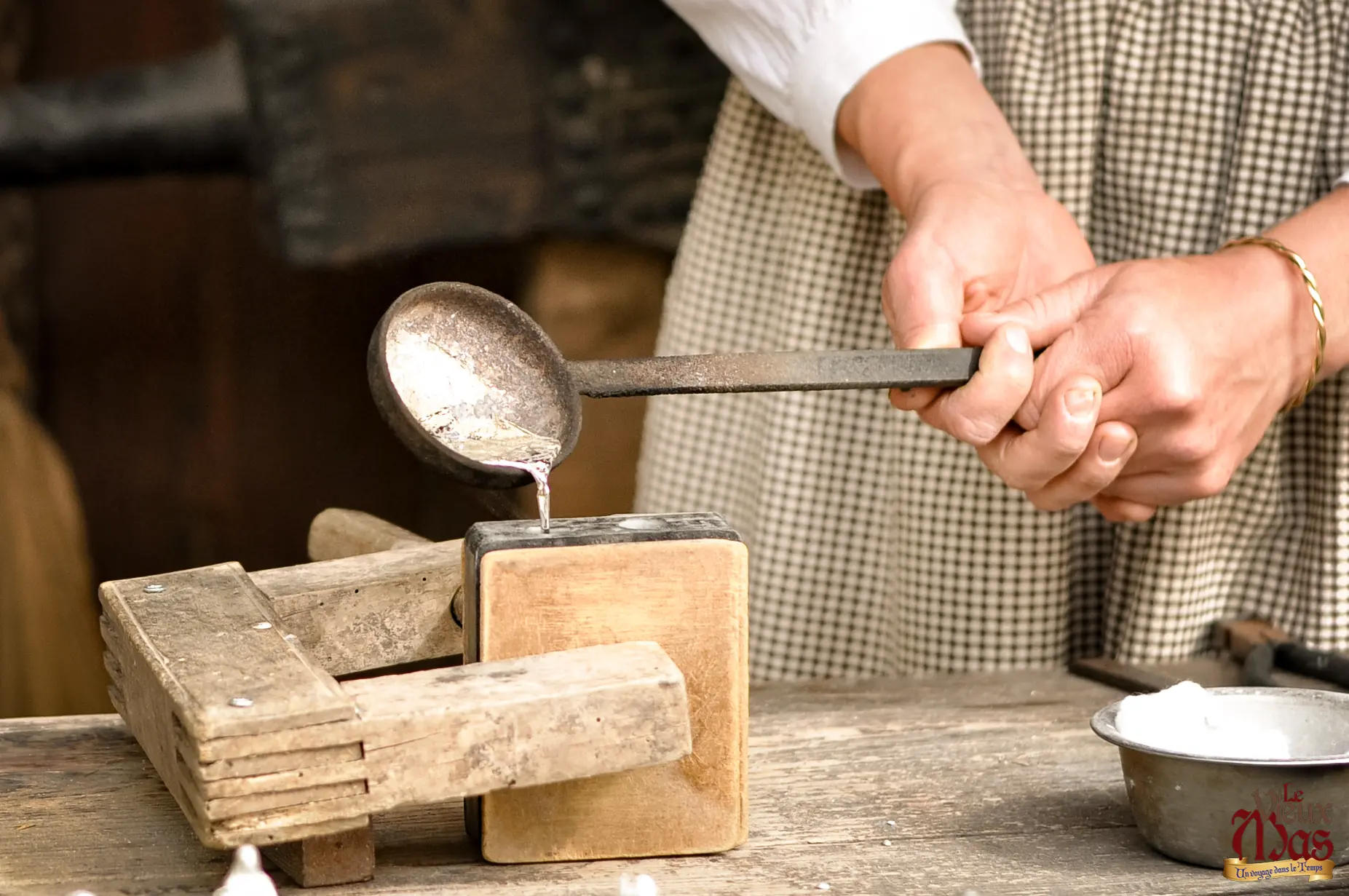
Casting is a fundamental operation in the shaping of metals.
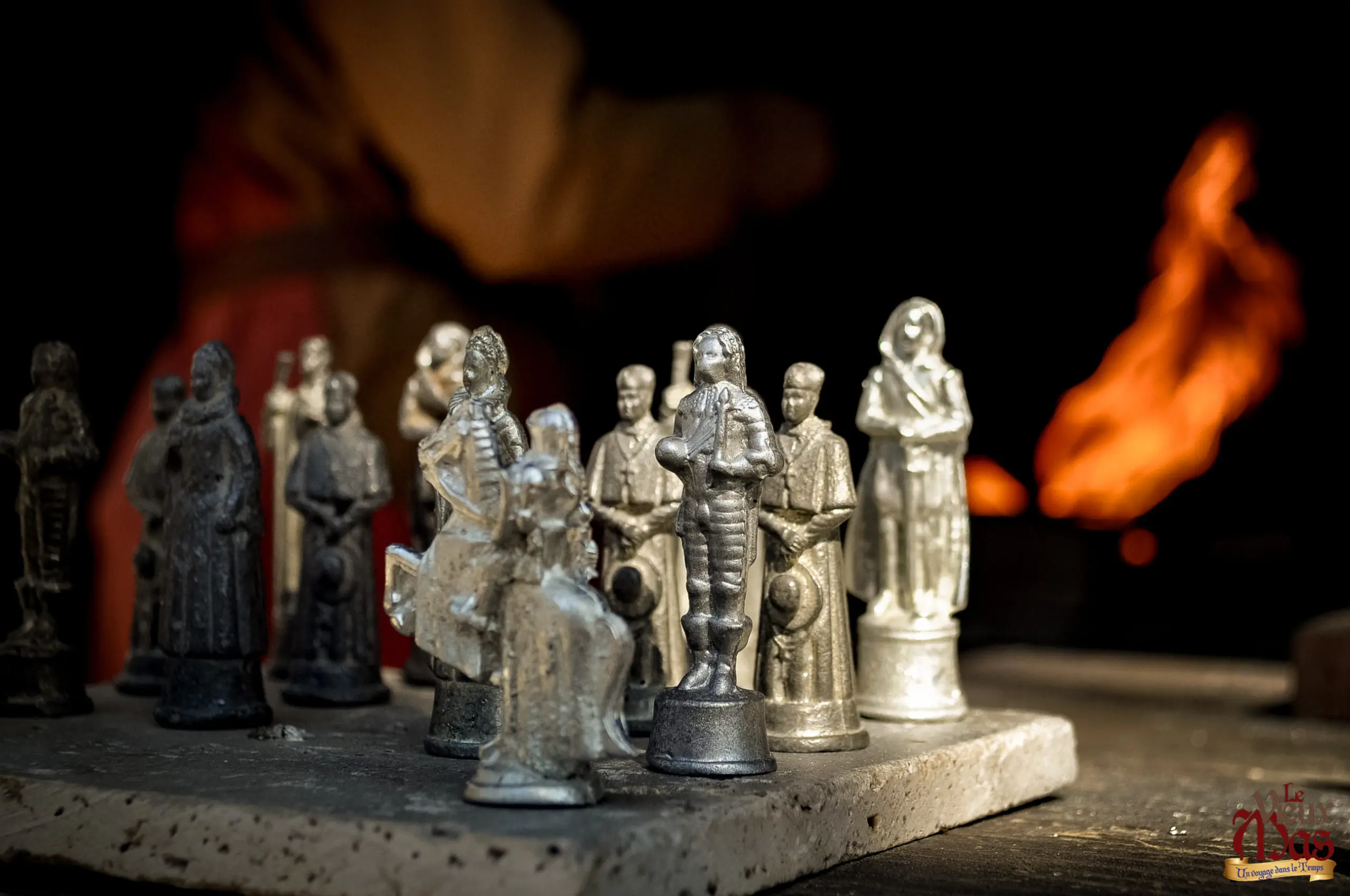
This is a bar of pewter which, once melted in its mould, transforms into a figurine...
Our grandparents used to call them "lead soldiers".


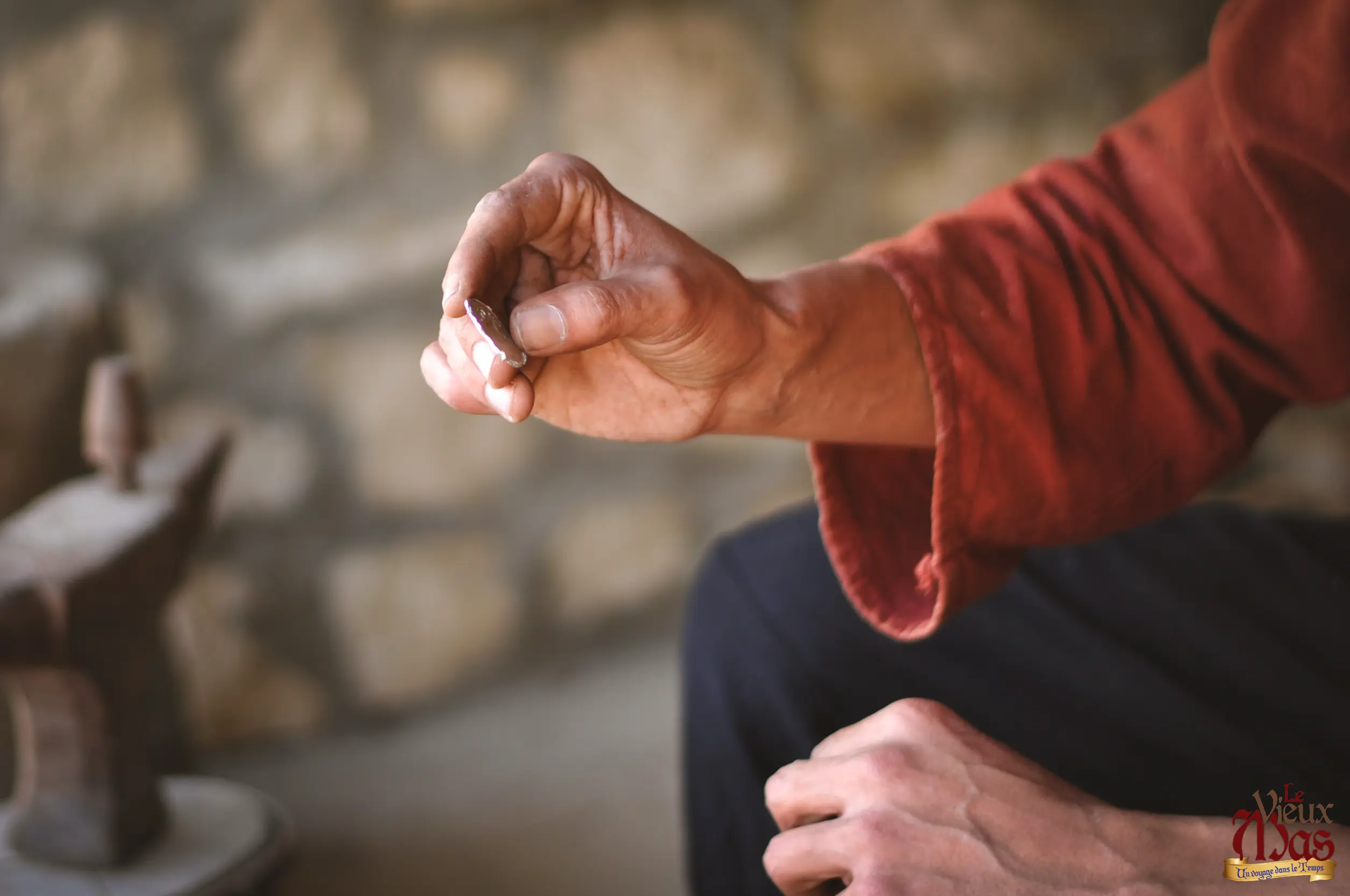
Invented in the 7th century BC, money was made of a precious metal and used as a medium of exchange.
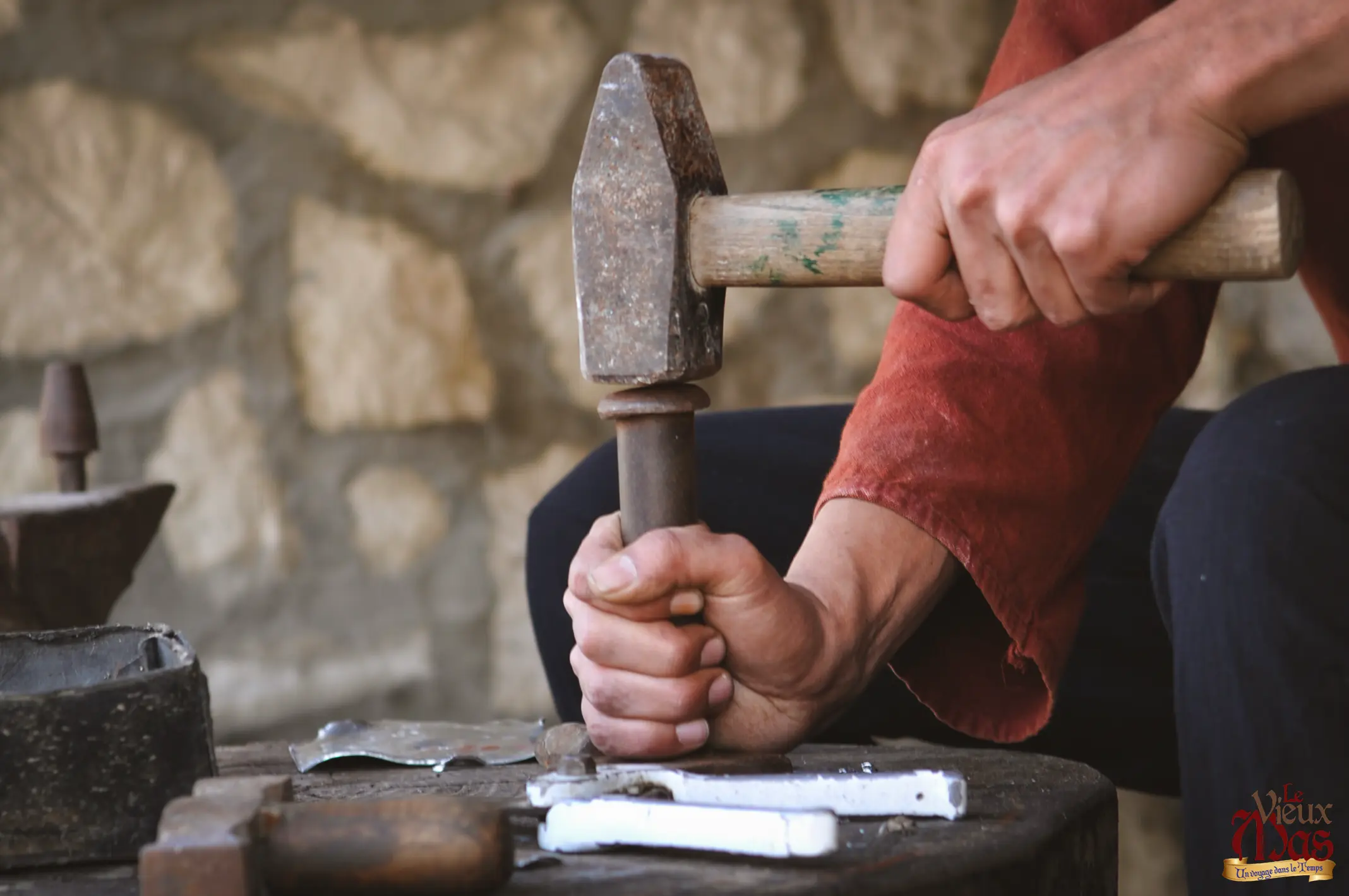
Until the industrial revolution it was struck by hand.
Armed with his wedge, his stack and his key ring, he will strike the blank, which then becomes a coin.
The craft of tailoring appeared as early as the Middle Ages, but recent discoveries allow us to affirm that in Neanderthal times they already knew how to make them.
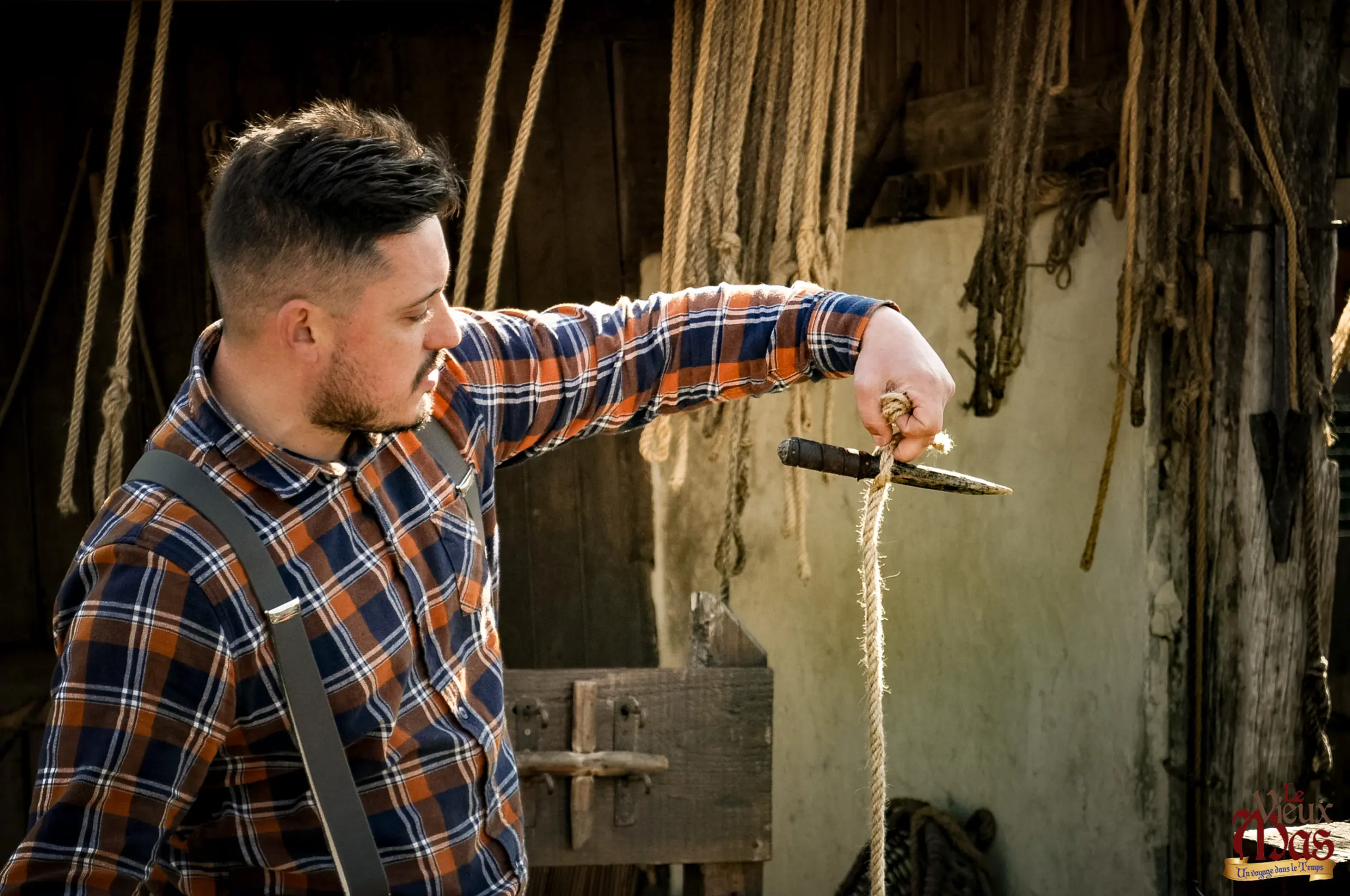
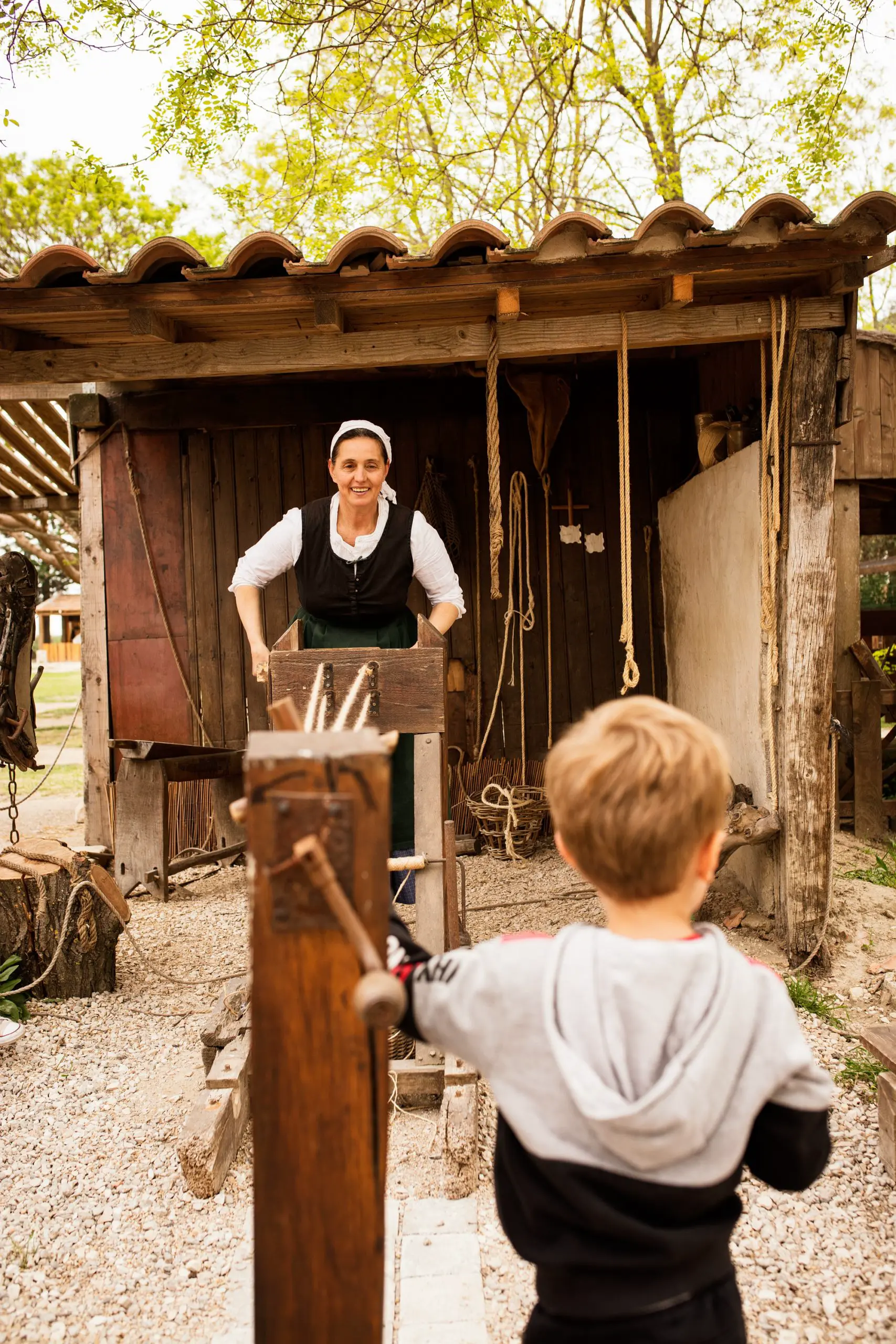
Equipped with his square, spinning wheel and reel, the rope maker will initiate you to the making of a rope in natural fibres such as hemp, sisal or jute.


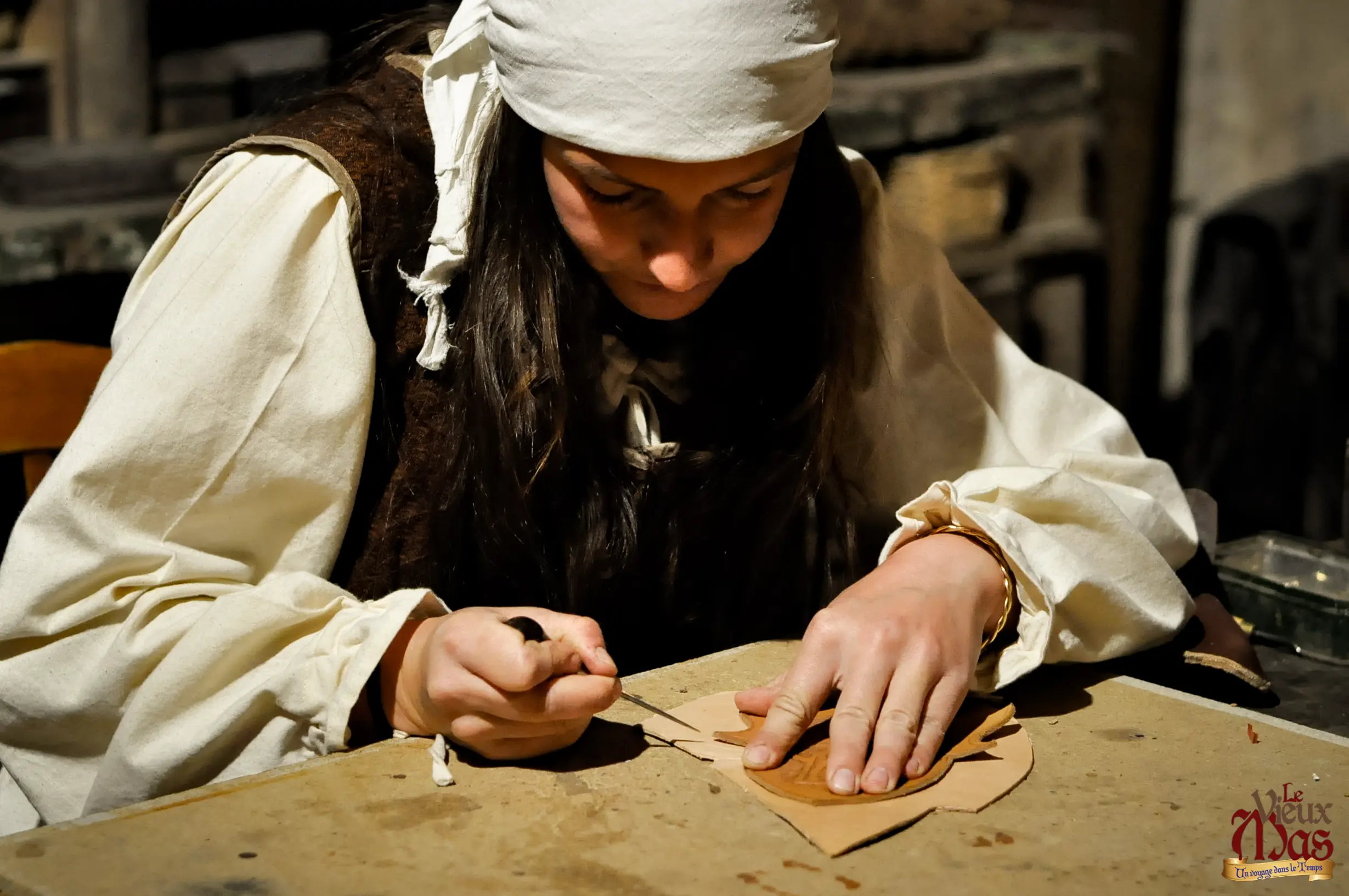
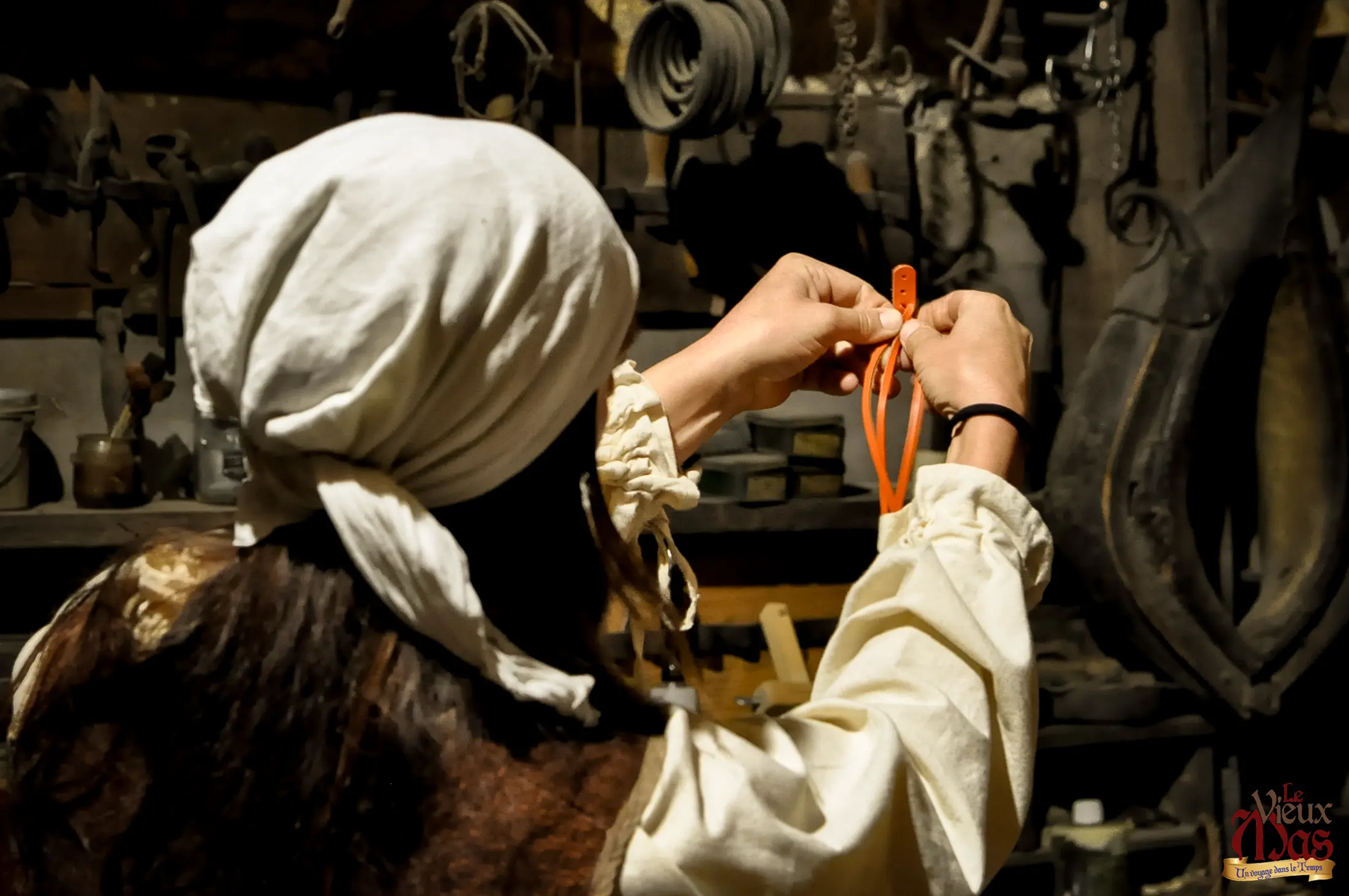
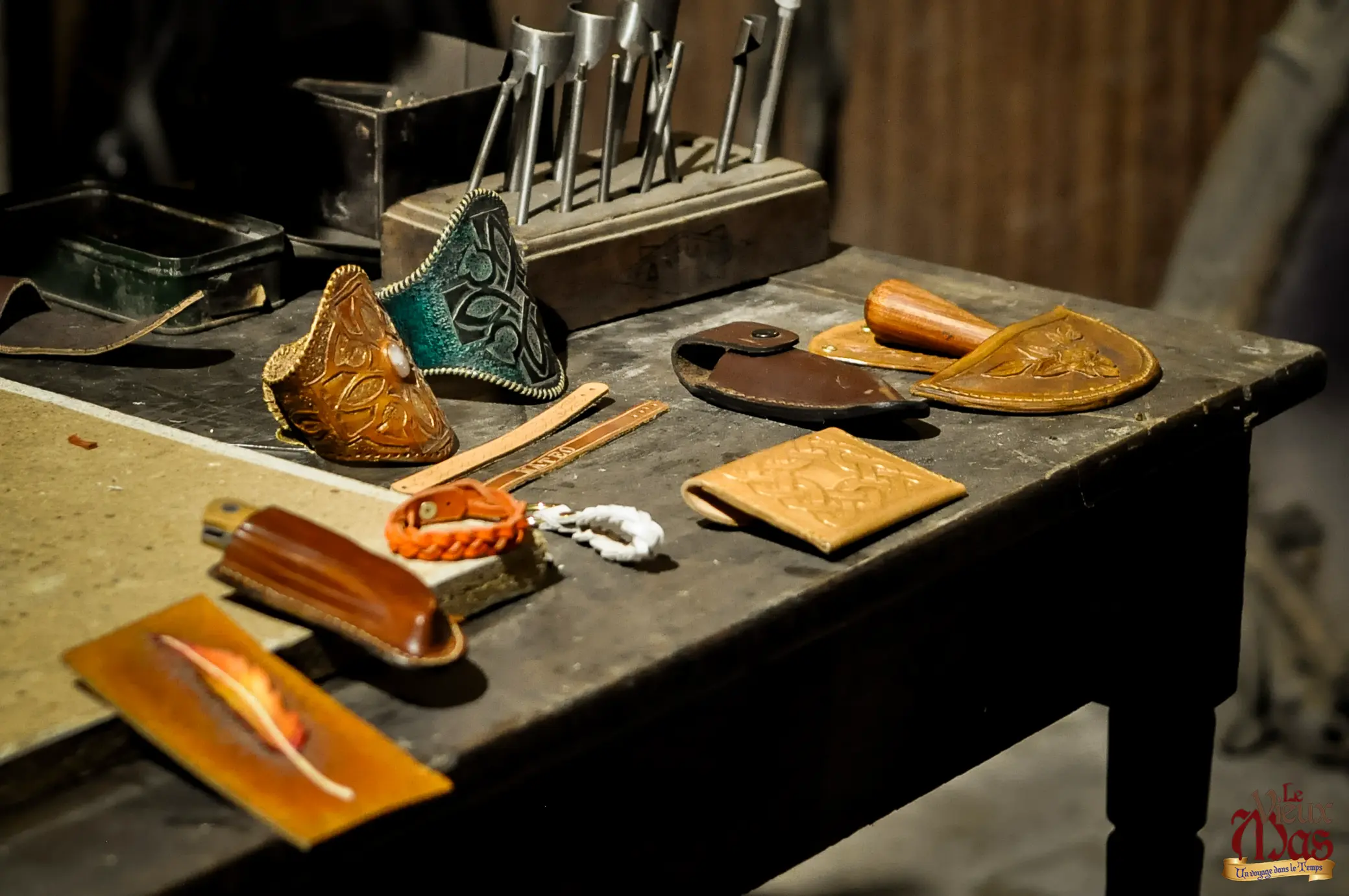
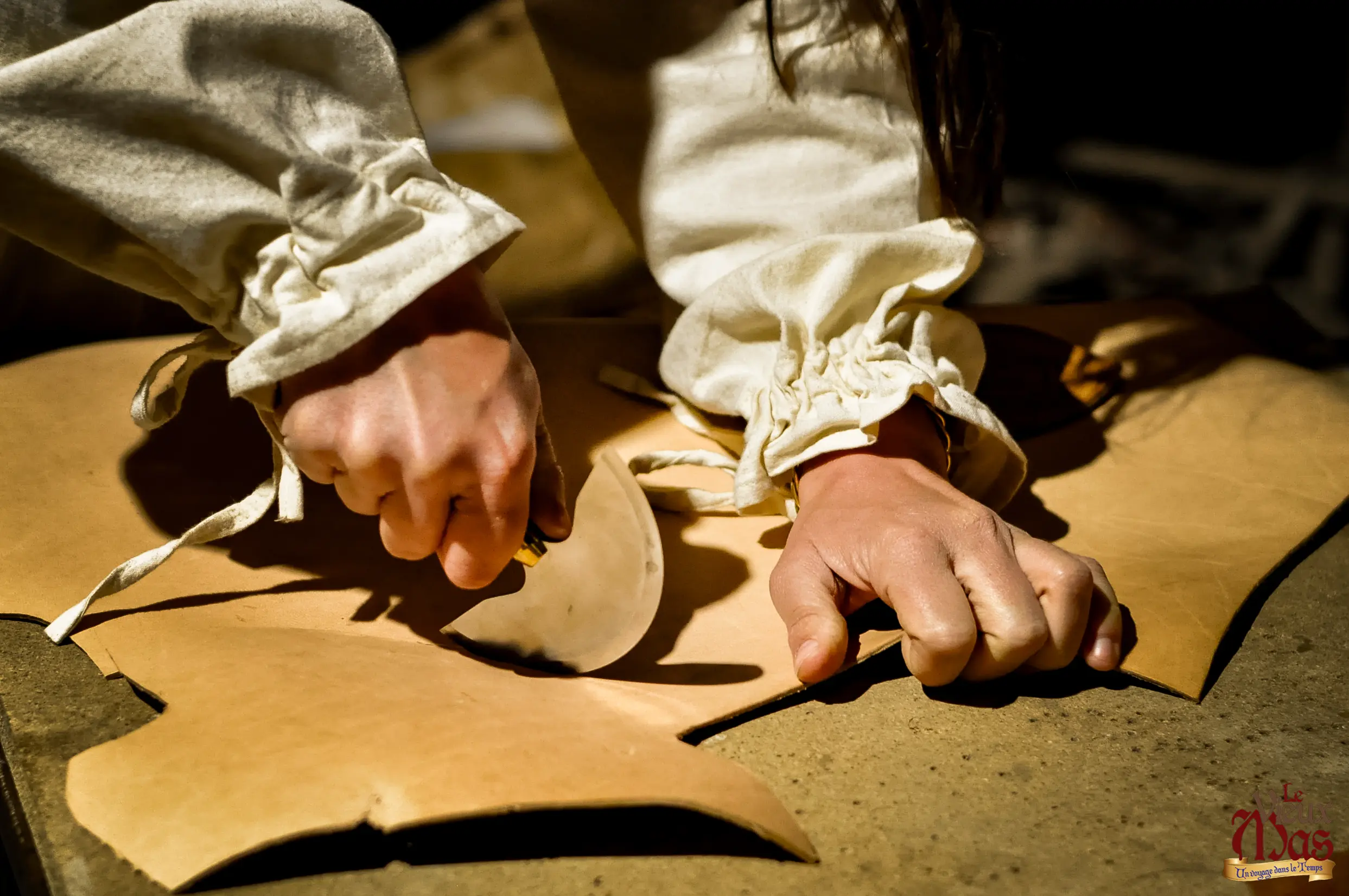
In the early 20th century, leather was part of everyday life. Shoemakers, saddlers and saddlery makers fashioned shoes, harnesses and utilitarian objects by hand, using skills handed down from generation to generation. The leather, vegetable-tanned with oak bark, was worked with precision and patience.
In the workshops, the smell of leather mingled with the sound of hammer on anvil. A simple but essential world, reflecting a time when craftsmen played a central role in village life.
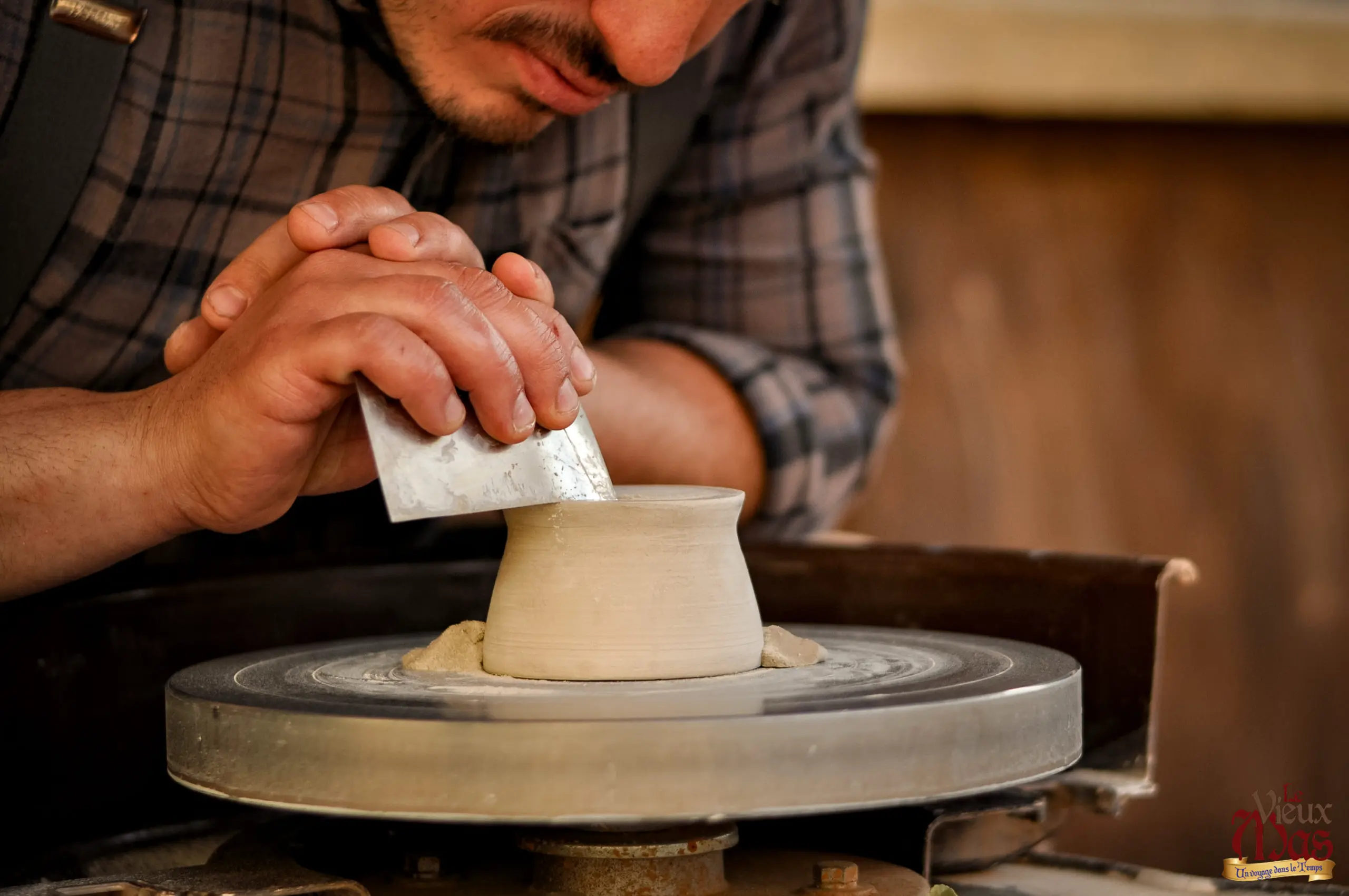
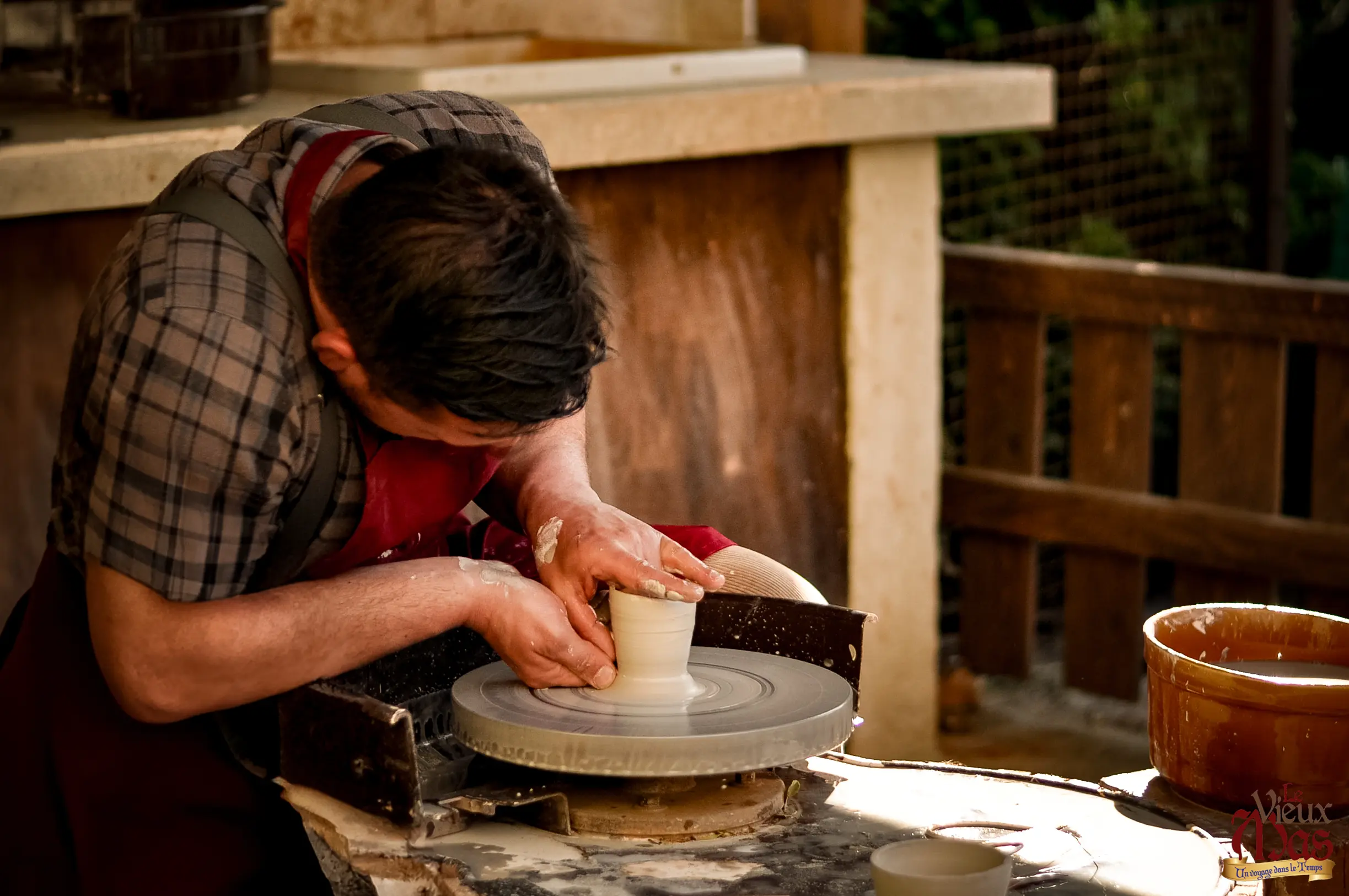
At the dawn of the 20th century, the potter played an essential role in rural life.
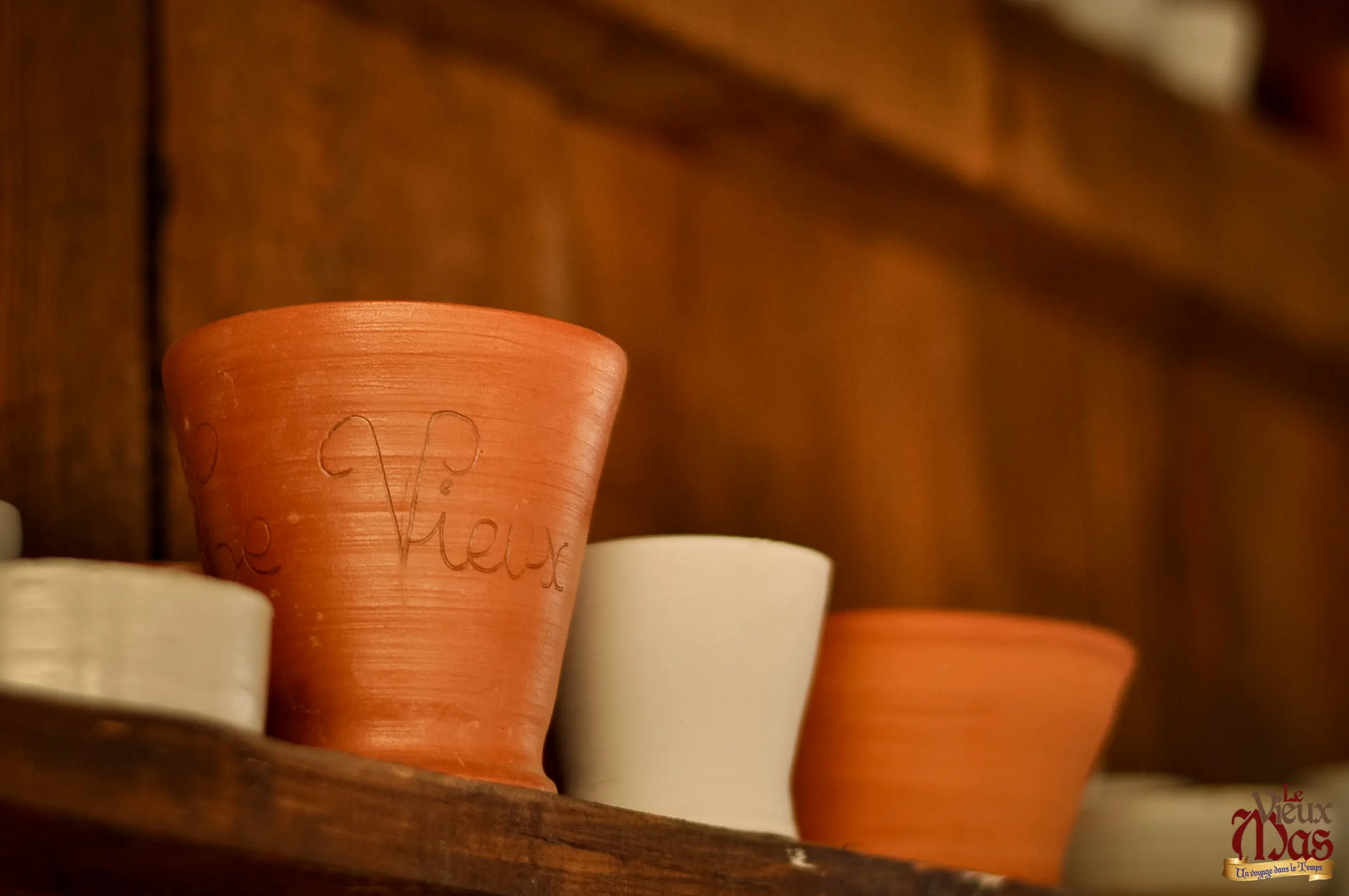
A craftsman of the earth, he tamed the clay from nearby quarries, and shaped everyday objects by hand: jugs, pots, bowls and spinning tops, essential for preserving food and cooking.
The potter didn't just make things: he repaired, innovated, decorated... and passed them on. This ancestral know-how was often handed down from father to son, respecting the gestures of yesteryear.